
The Night I Hit an Elk: A PSA on Driving Through Wildlife Territory
You never think it's something that could happen to you, but then it does. It's the middle of the night, around 9pm, you're driving home, blinded by the oncoming traffic, and there it is. A giant elk, right in front of you. No time to stop. You plow into it. You feel like you hit a brick wall. You're about to pull over when you get hit again: the truck behind you plows into you too.
It's wild hearing all the thoughts run through your mind. I remember thinking, "wow, there's no time to stop, I'm going to hit this thing?" Then I hit it. Onto "wow, my airbag didn't deploy." To "oh shit, I just got hit again, rear-ended. Is another car gonna rear-end that one?!" In my mind, I remember everything so vividly. I managed to pull over quickly, and the first thing running through my head was, "Do I call my partner? He's working. Do I call Paige (my CO bestie)? No, she doesn't need to worry yet. Do I call my parents? No point in worrying them states away at this hour of the night if I'm fine. Do I call my boss? I need to get out of my Jeep and check on the other people, but am I pulled over enough to safely get out?"
Then the next thing you know, the guy behind me and a witness run over to my Jeep to see if I'm okay. I was obviously still in shock and shaking, but I was physically fine. They helped me get out of the Jeep to catch some air and breathe a little. Then, as you'd expect, we exchanged info, cops showed up, and we did the typical thing and wrote our reports. The cops that showed up even said this was the 3rd elk accident of the night. Read that again: the 3rd elk accident of the night. Just goes to show you how often wildlife and vehicle accidents happen.
One of the worst nights of my life happened in a few seconds. What started as a nice afternoon after work, driving to Rocky Mountain National Park to do a wildlife drive and try to get some photos (something I do often since I can make it there within an hour or so), ended with two totaled vehicles and a dead elk. A nice afternoon turned into a tragedy. Thankfully, no humans were hurt or injured during the accident besides some minor whiplash, but our vehicles were totaled, and the elk didn't survive.
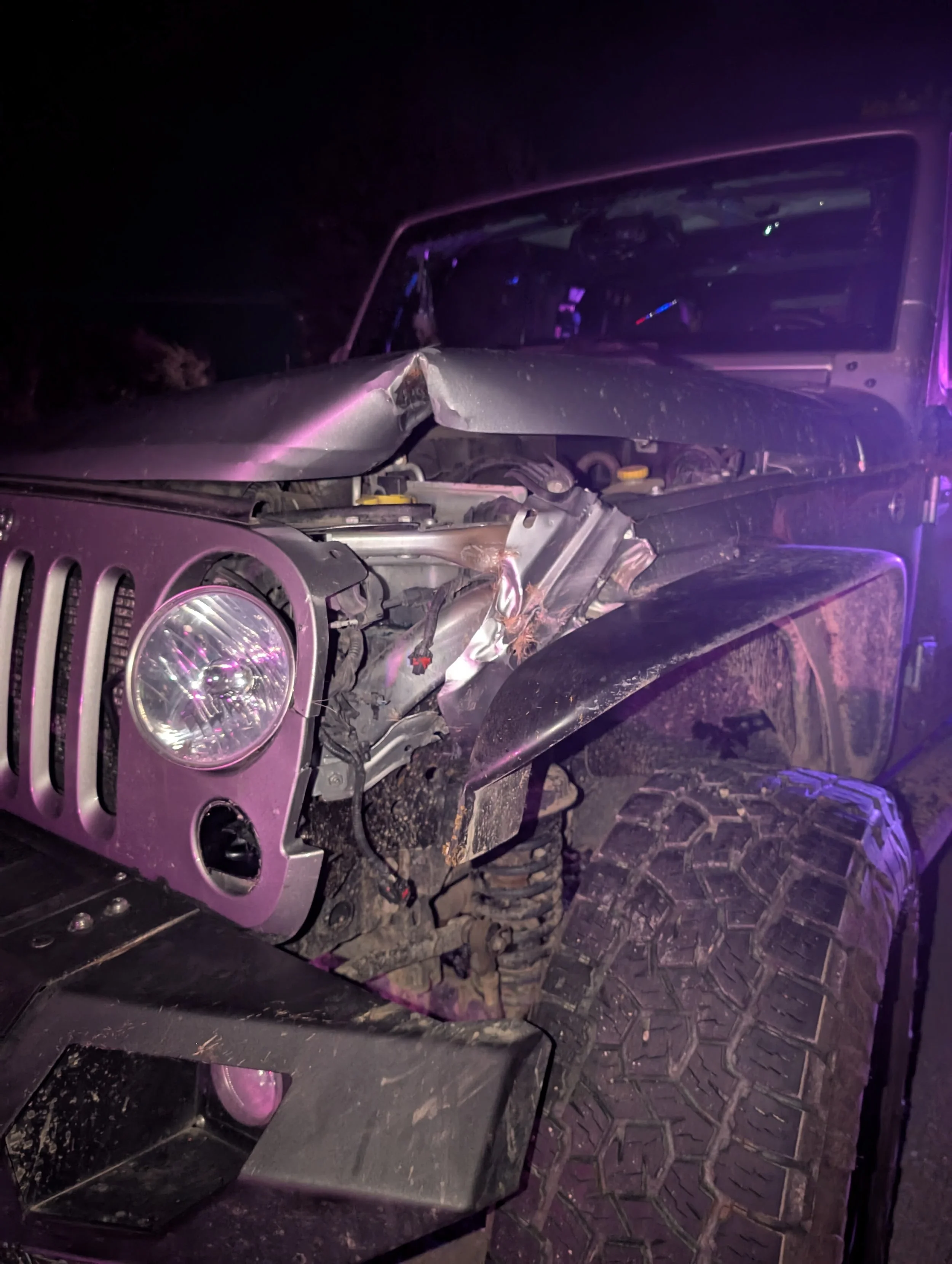
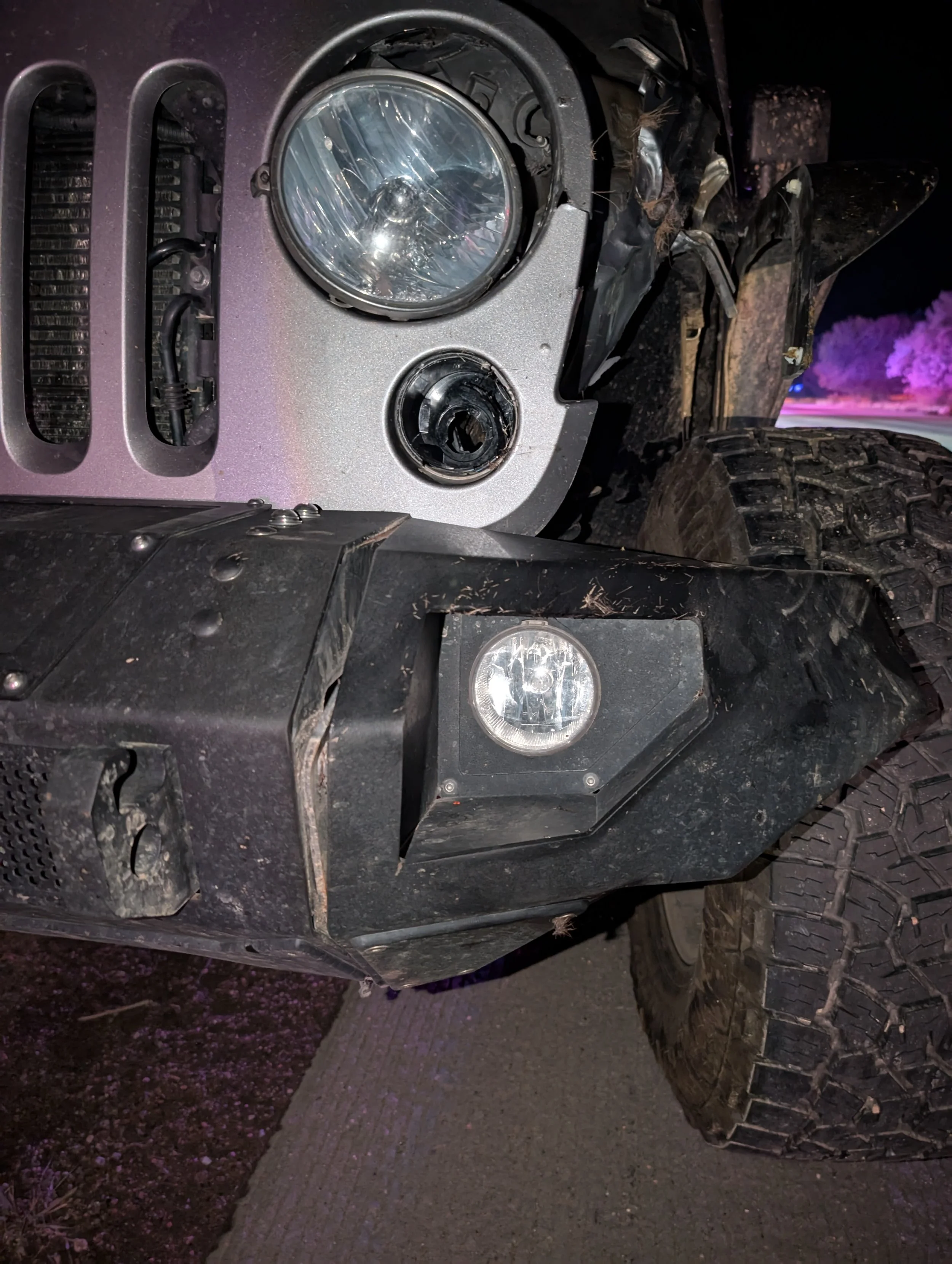
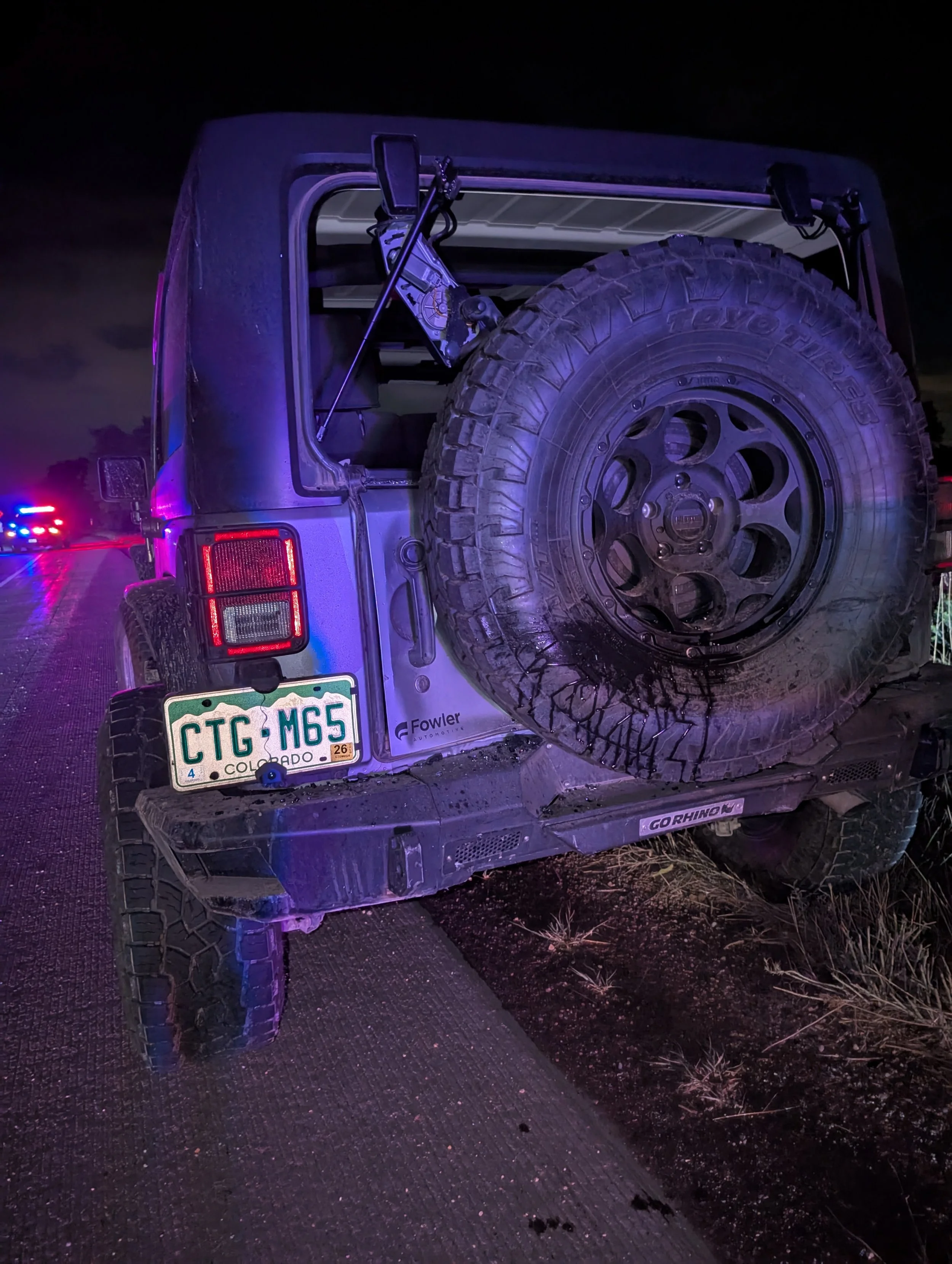
Front cam from accident.
Back cam from accident.
So let's talk about wildlife safety while driving, because even though you think it could never happen to you, it could easily be you next. It's one of those topics I've wanted to share to help educate, but I've felt like I could be viewed as a hypocrite, since it happened to me. It's one of those things where when I post, I feel the need to defend myself, when I shouldn't have to, because people make assumptions before hearing the whole story. People automatically make assumptions that YOU were in the wrong because that’s typically the case. It turns a moment that could be educational into something that feels scary to talk about, when it shouldn't be. Humans aren’t always in the wrong and we should give more people the benefit of the doubt, without needing proof.
So let’s get into it.
Dawn and dusk are the danger zones. Elk, deer, moose, all of them, they're most active around sunrise and sunset. This is also when it's hardest for us to see them. If you're driving through wildlife territory, or even around the outer bounds of it (which is where I was, I wasn't in the National Park, I was closer to home on a country road between two major cities), slow down. It doesn't matter how late you are getting home, safety first.
Leave more distance between you and the cars around you. This is the one that gets more people injured. If the guy behind me hadn't been so close, he might have had more time to stop, and this wouldn't have been a multi-vehicle accident. Or vice versa, if the car in front of you brakes hard for an animal, you need room to also brake hard without becoming the second impact. On these mountain roads especially, people ride way too close for how blind those curves are.
Don't swerve hard to avoid an animal. I know instinct says swerve, but on a mountain road, swerving is how you end up in a head-on collision, or worse, off the side of a cliff. As someone from the South who's had to drive through floods in small vehicles, I kind of relate this to hydroplaning: you don't want to speed up, slam on the brakes, or turn your wheel too hard. You want to coast it out until you have stability in your vehicle again, and then pull over safely.
Know what to do after, because no one tells you this part. Pull over safely if you can. Turn on your hazards. Call it in. Don't automatically assume you're at fault, a lot of states treat animal collisions differently than standard at-fault accidents. For instance, my insurance company put the front half of my accident on the elk itself and not on me. The rear-end was on the other driver and paid for by his insurance. They didn't fault me or use it as my one-time large-accident forgiveness. If you have dashcam footage (which I did), remember to send it in! This helped my case immensely. It showed that the elk didn't jump into the road, it was just there. It showed me being blinded and not able to see the elk until it was too late. It showed what the driver behind me did. It showed that I wasn't speeding. Basically, it showed I wasn't at fault.
Alright, so if we backtrack some: y'all know I moved to Colorado almost 5 years ago from Louisiana. Since moving here, I've noticed people drive wildly through the mountains, and it seriously flabbergasts me. Like… why are we going 10-20 mph over the speed limit around deep mountain turns, where you can't see what's behind the bend? There could be anything around that turn, a fallen rock, an animal, another car outside its lane. It just feels incredibly dangerous, especially since these are typically one-way mountain roads. And then when you are going the speed limit, people behind you ride your ass and drive frantically because you aren't going fast enough for them. This is something that has infuriated me since moving here. And I don't want to chalk it up to locals, because let's be honest with ourselves, it's tourists too.
Since moving here, I try to educate the people I can about this stuff. Whether you're in the National Park or not, we're in the wildlife's home here, not the other way around. We need to try to protect them the best we can by not speeding and staying aware of our surroundings. Because even if you don't think it could ever happen to you, it can. I'm proof of that.
This night was heartbreaking in more than one way. First off, I hit and killed an elk. Saying that sentence is HARD, and it hurts so so so much. I was literally out that night attempting to take photos of wildlife because it's a passion of mine. Funny enough, I didn't even come home with any large mammal photos, and then my accident happened. Irony at its finest and most brutal.
Secondly, no one talks about how heartbreaking the loss of your vehicle is, as silly as that may sound. Backtracking a bit, when I lived in Louisiana, I used to always drive Hondas. I have a brother who was my own personal mechanic and would fix and help with my cars as needed. It was a beautiful thing (for me, lol). After moving to CO, I sold my brand-new (less than 2 years old) Honda Accord and traded it in for a 10-year-old Jeep Wrangler. My Honda simply couldn't make it up the roads I wanted to go up. It couldn't handle the snowy roads. That wasn't working for me. So I bought an older Jeep because it was more affordable.
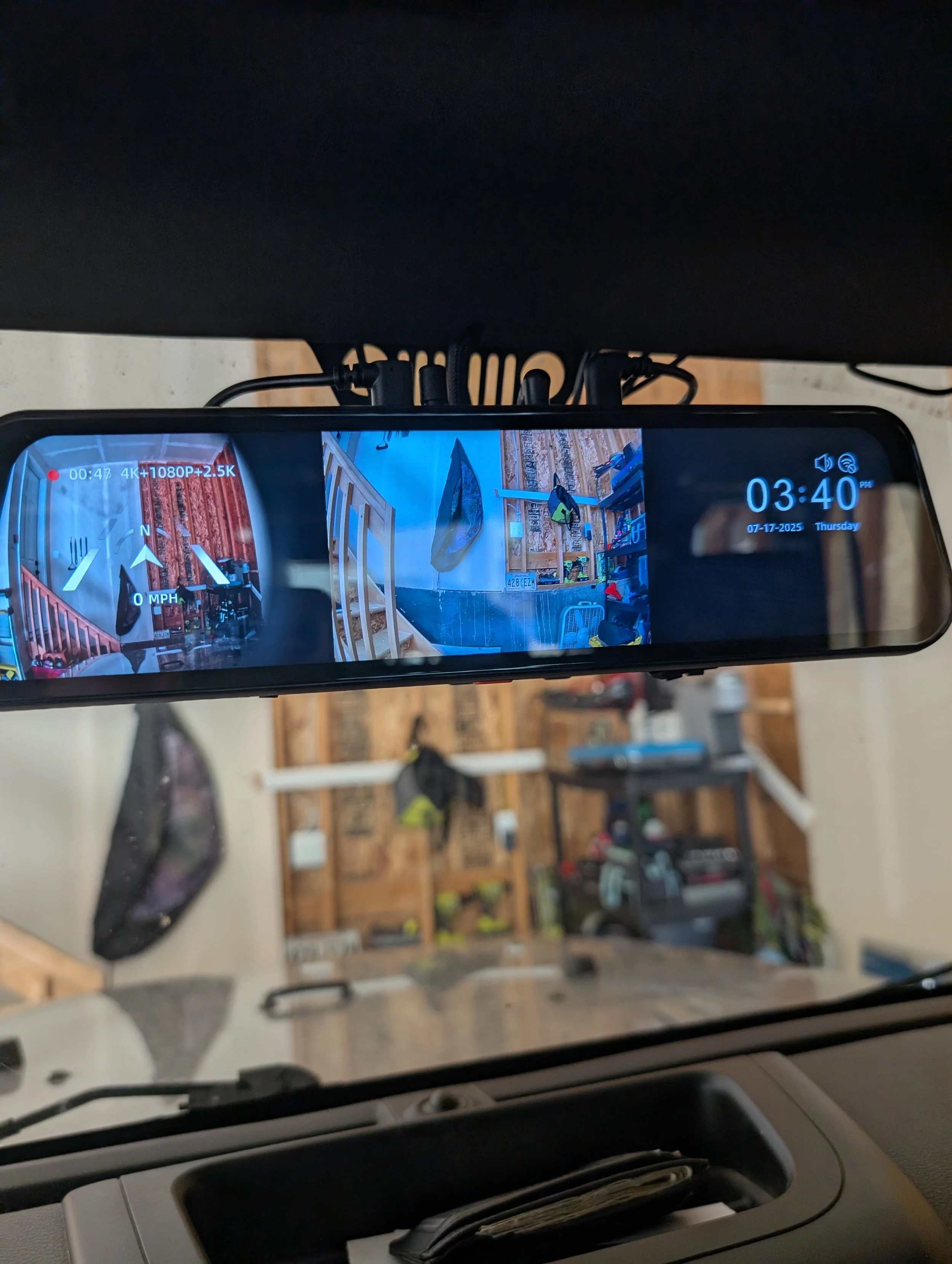
I learned to maintain this Jeep by myself, without my brother's help. I brought it to a shop to put a 2.5-inch lift on it, got new tires and rims, which ensured I could make it up any road or path I wanted without being in danger of destroying my vehicle. After that, I did all the remaining mods and upgrades myself. I changed out the CD player for a modern radio. I changed the spare tire mount and door hinge. I changed the fenders and inner fender liners. We fixed an annoying tick in the engine, the kind where, if you look it up on Reddit, there are massive debates about what it could be, and not many of them lead to a solution. I installed and wired a Wolfbox dashcam with three cameras. Not to mention ALL the adventures this thing has been on with me. Too many to even get into.
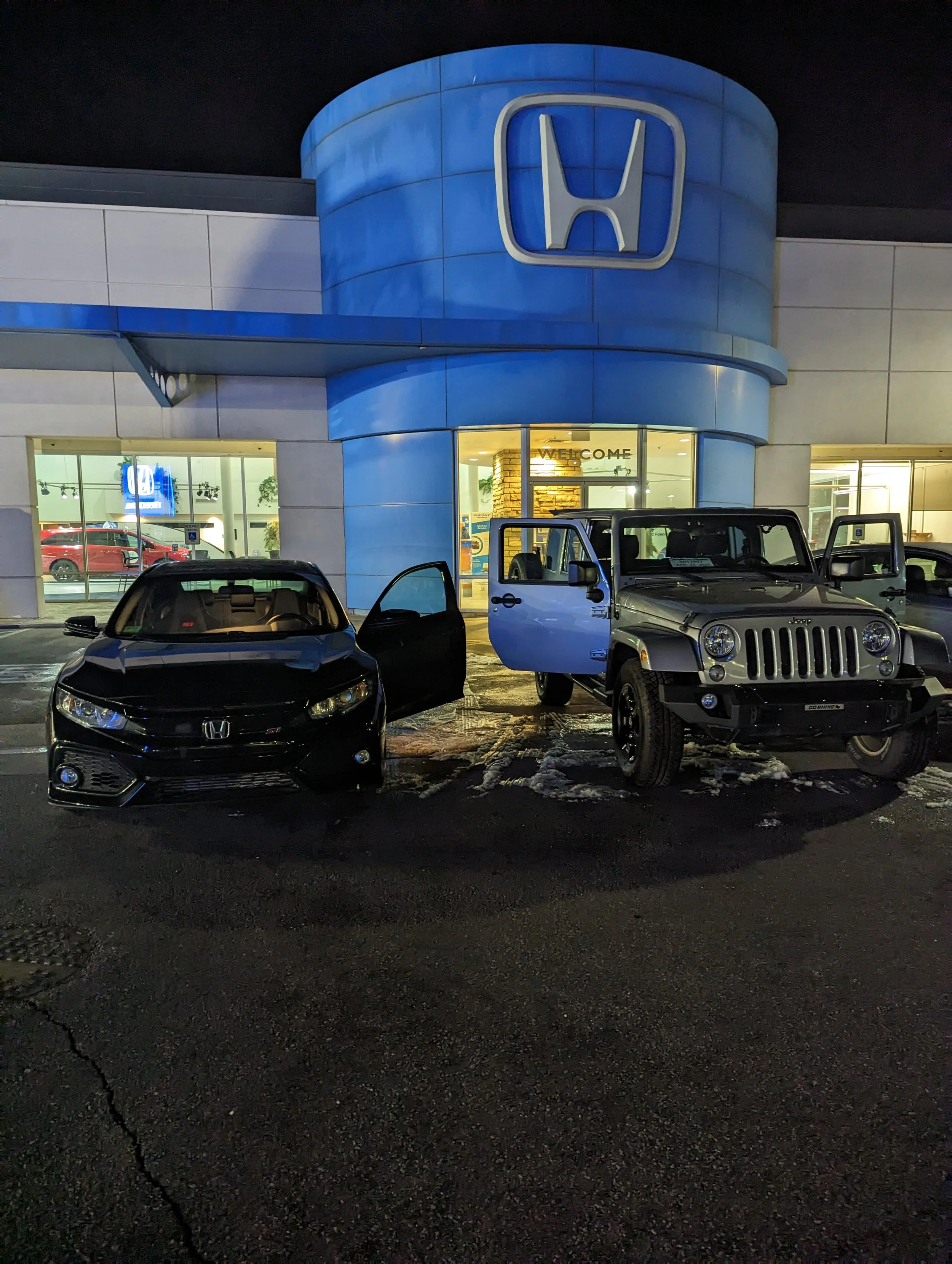
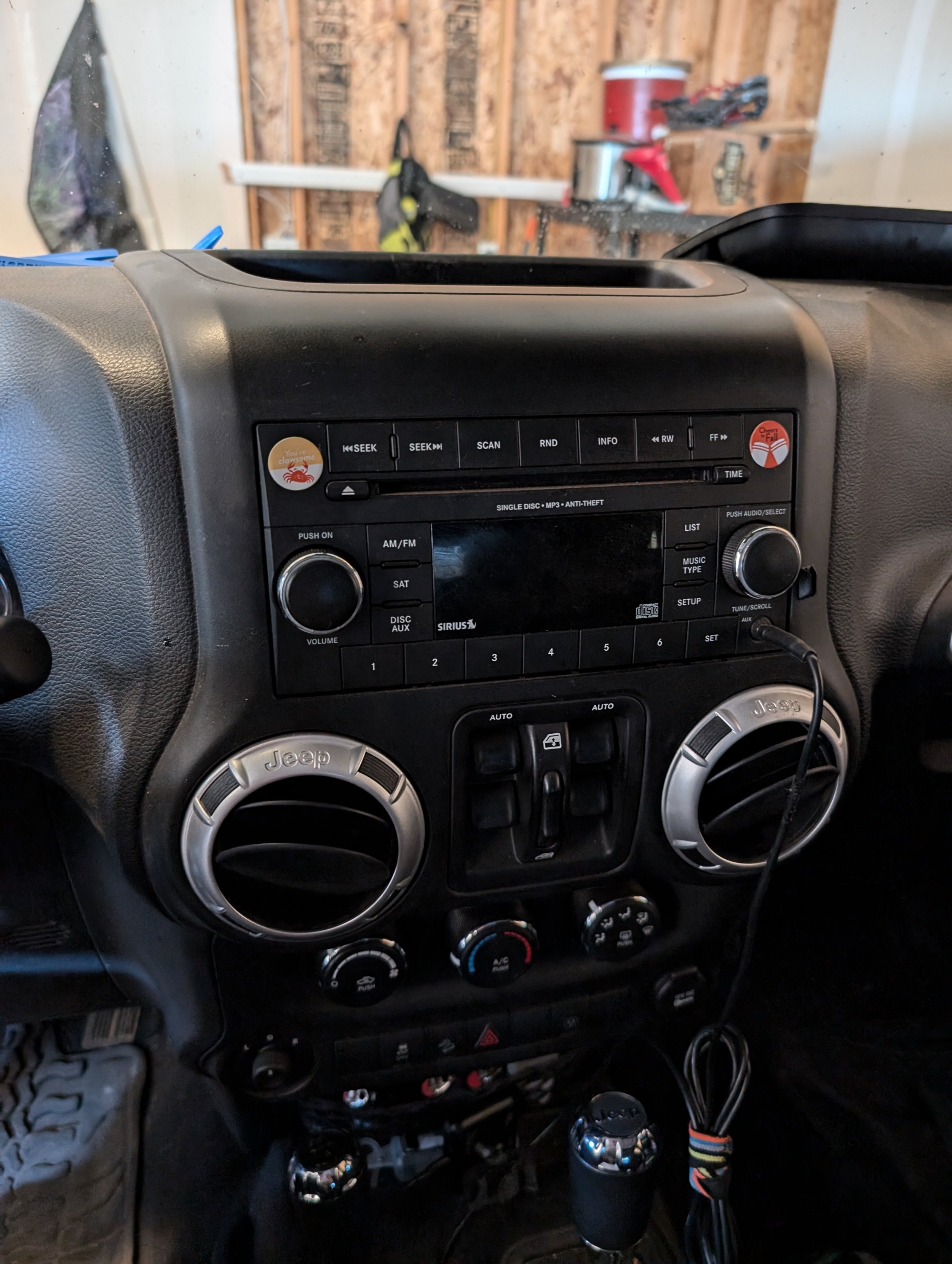
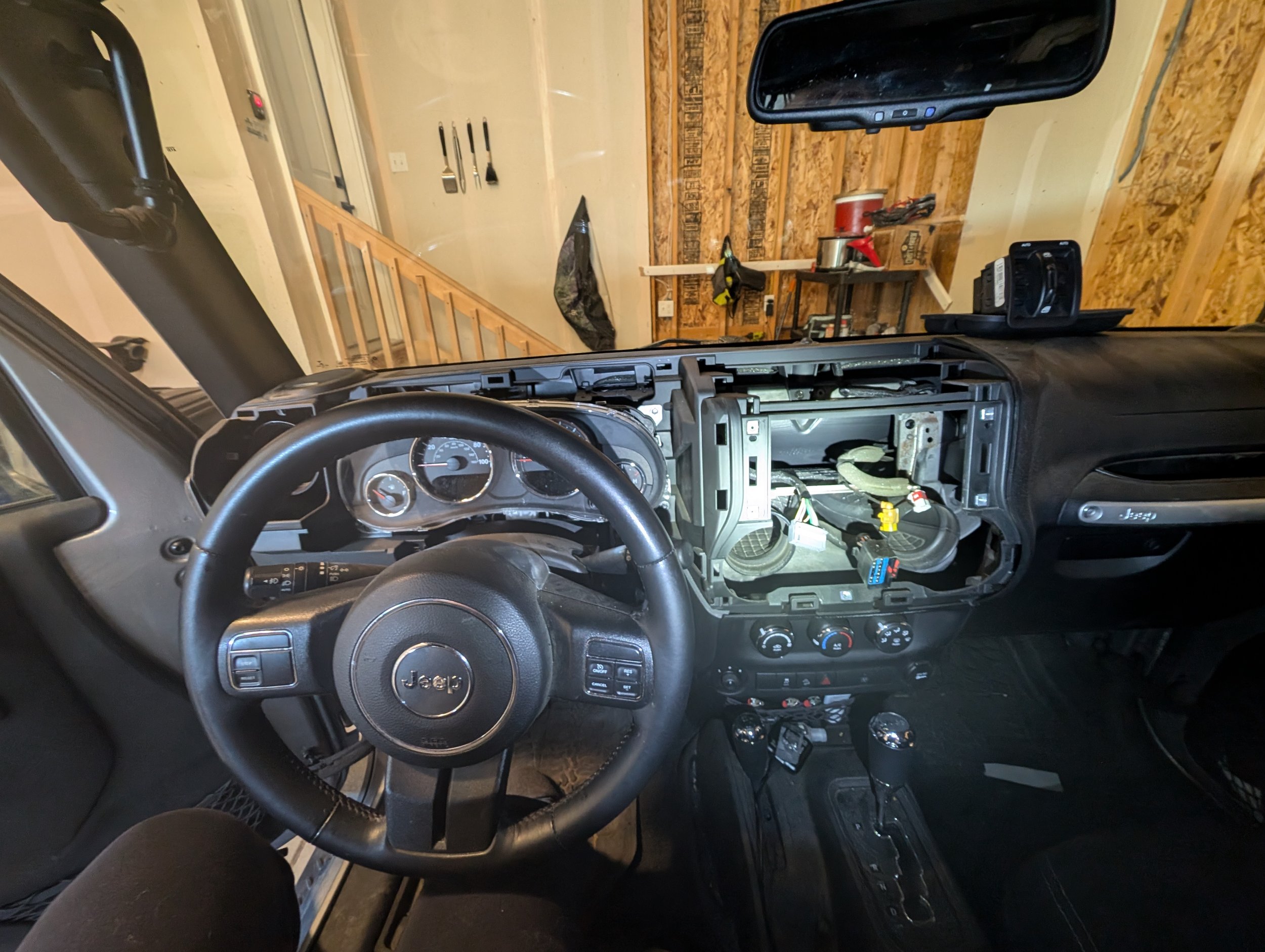
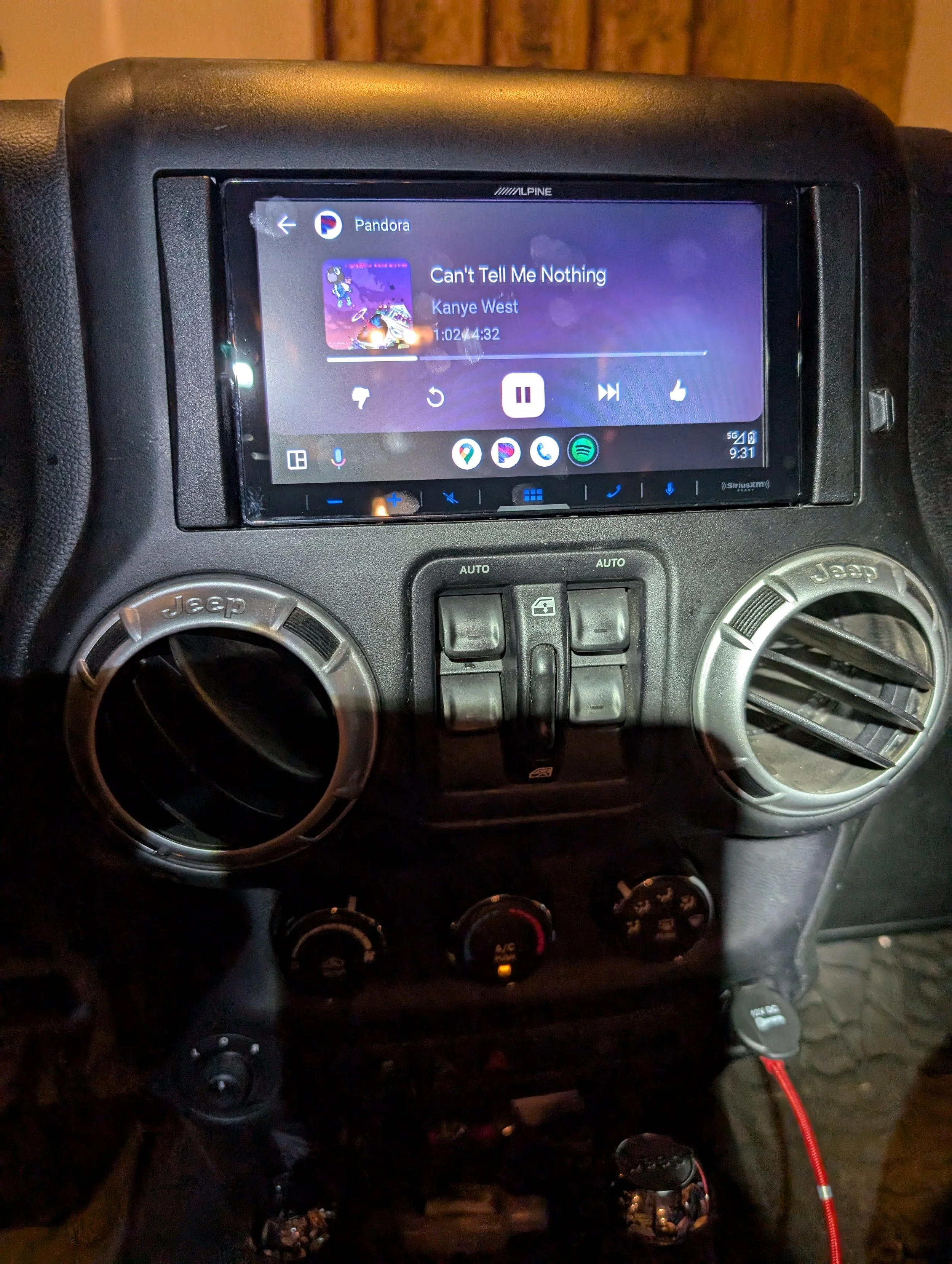
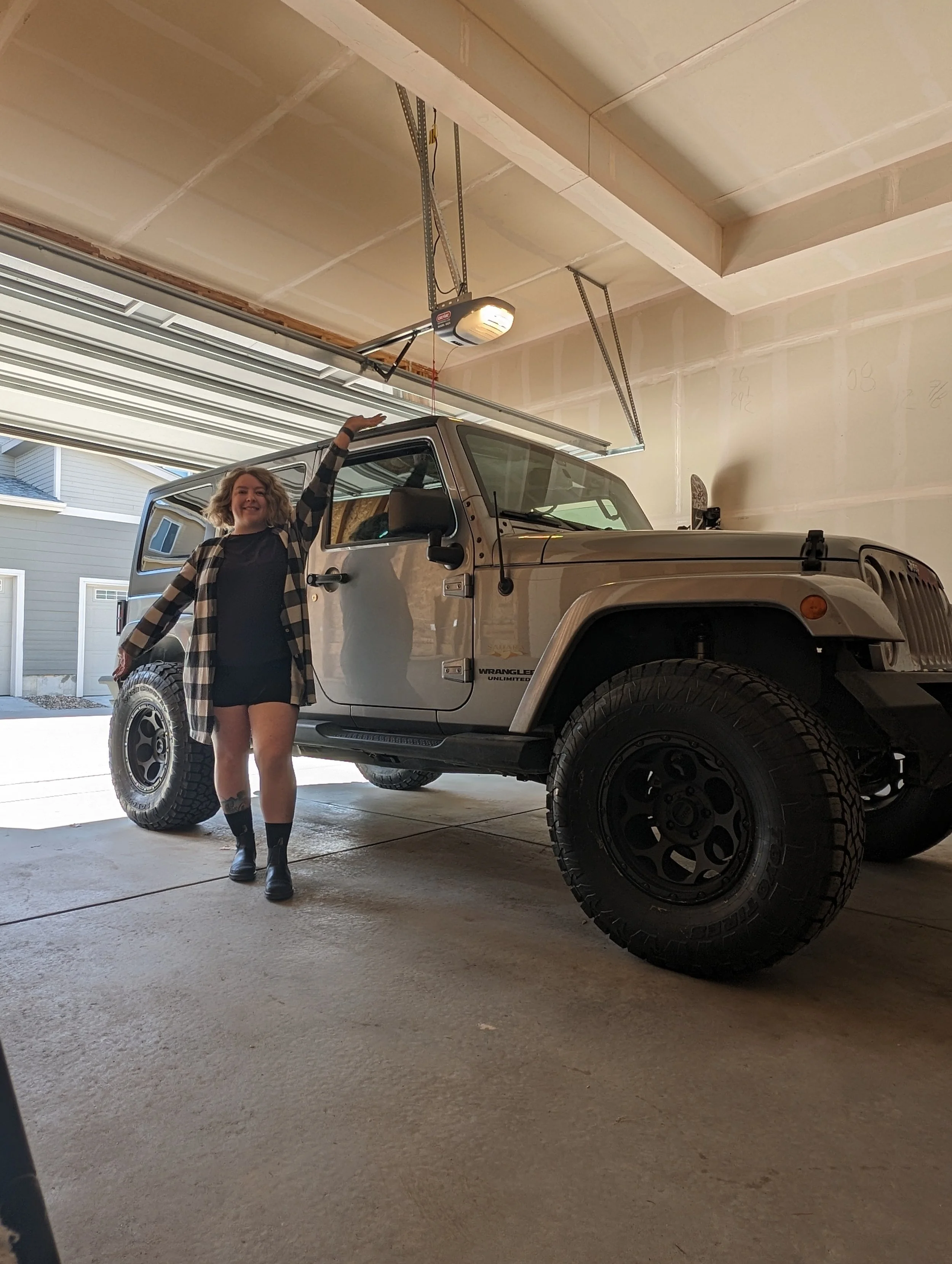
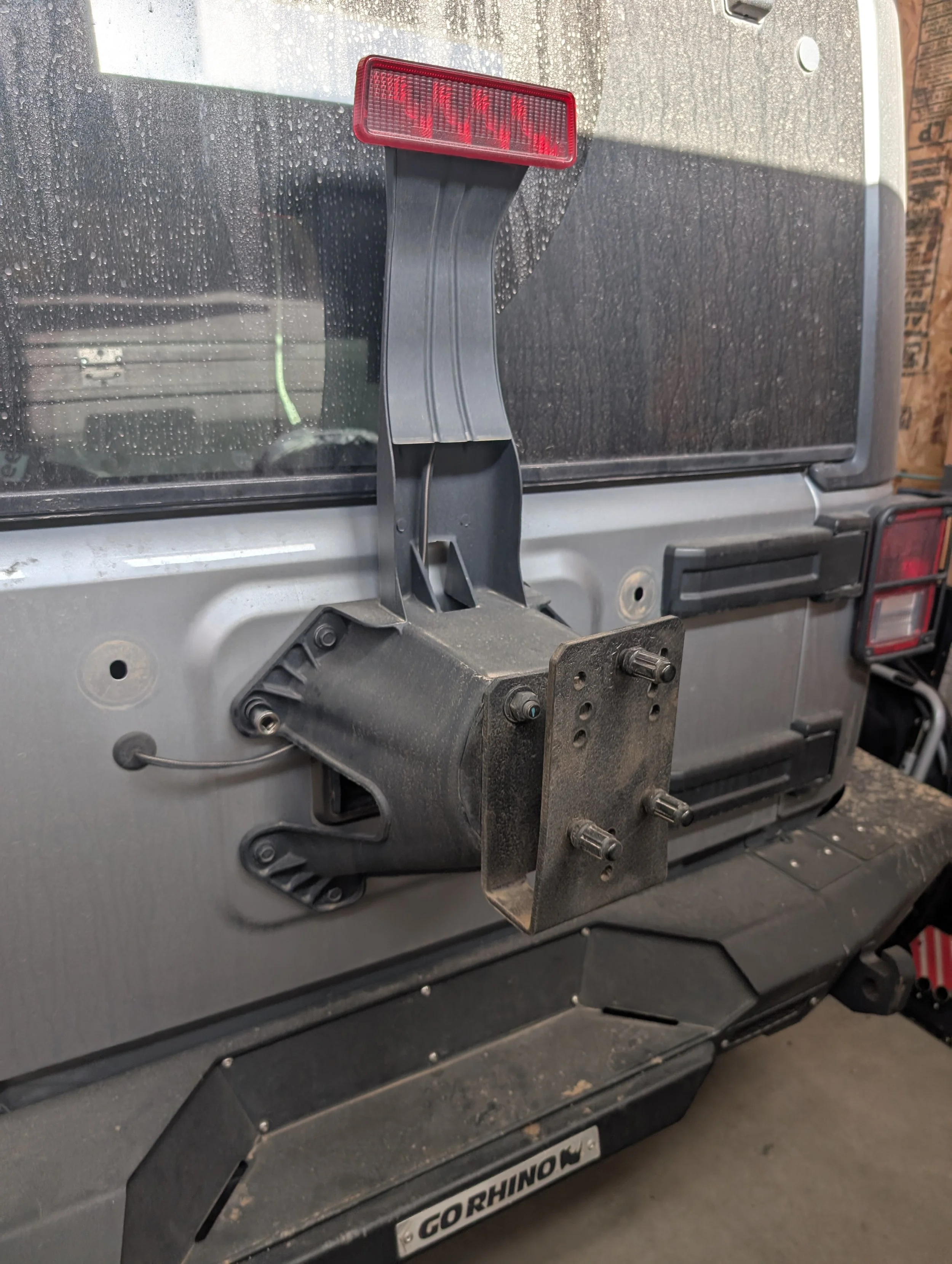
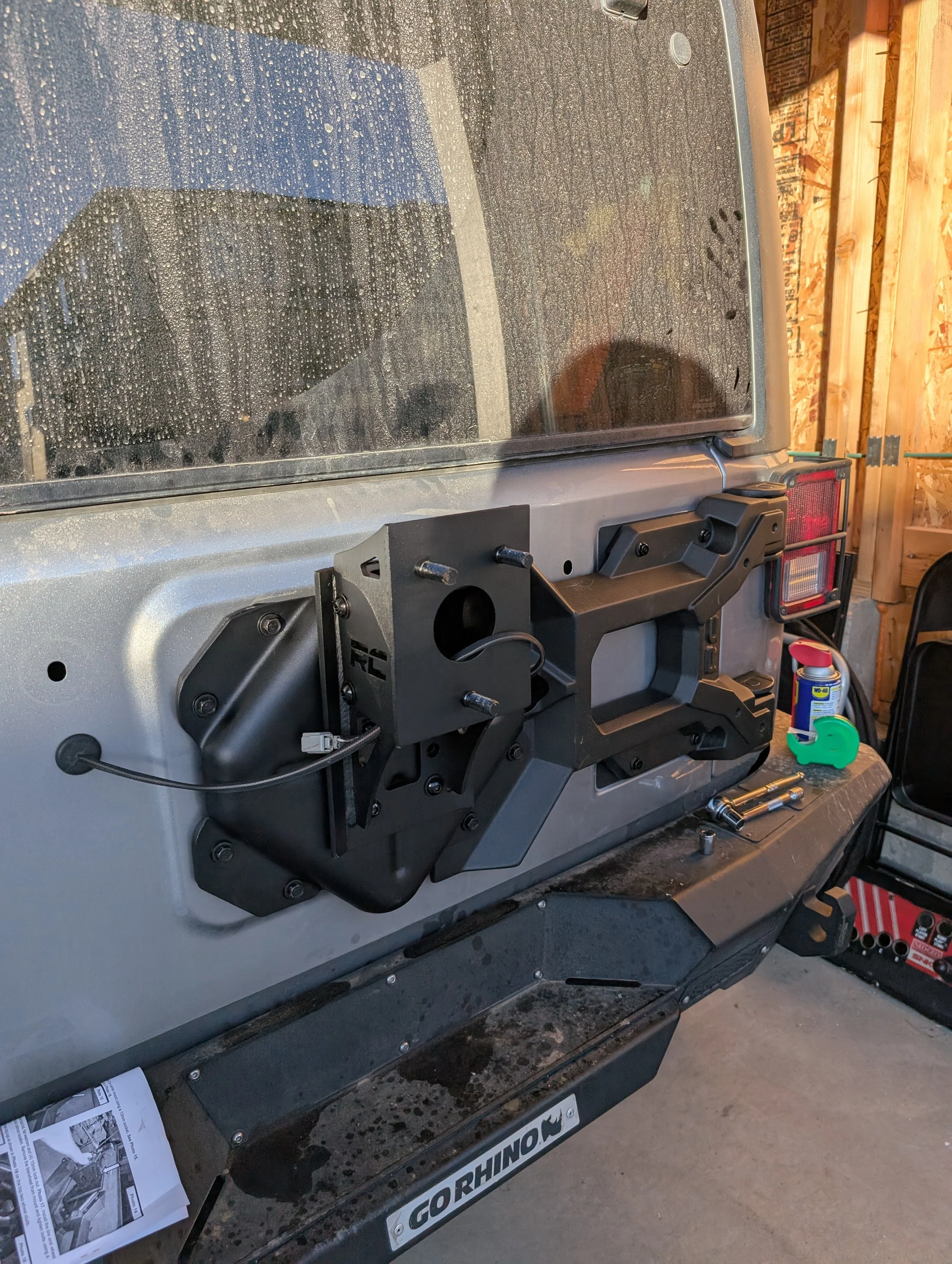
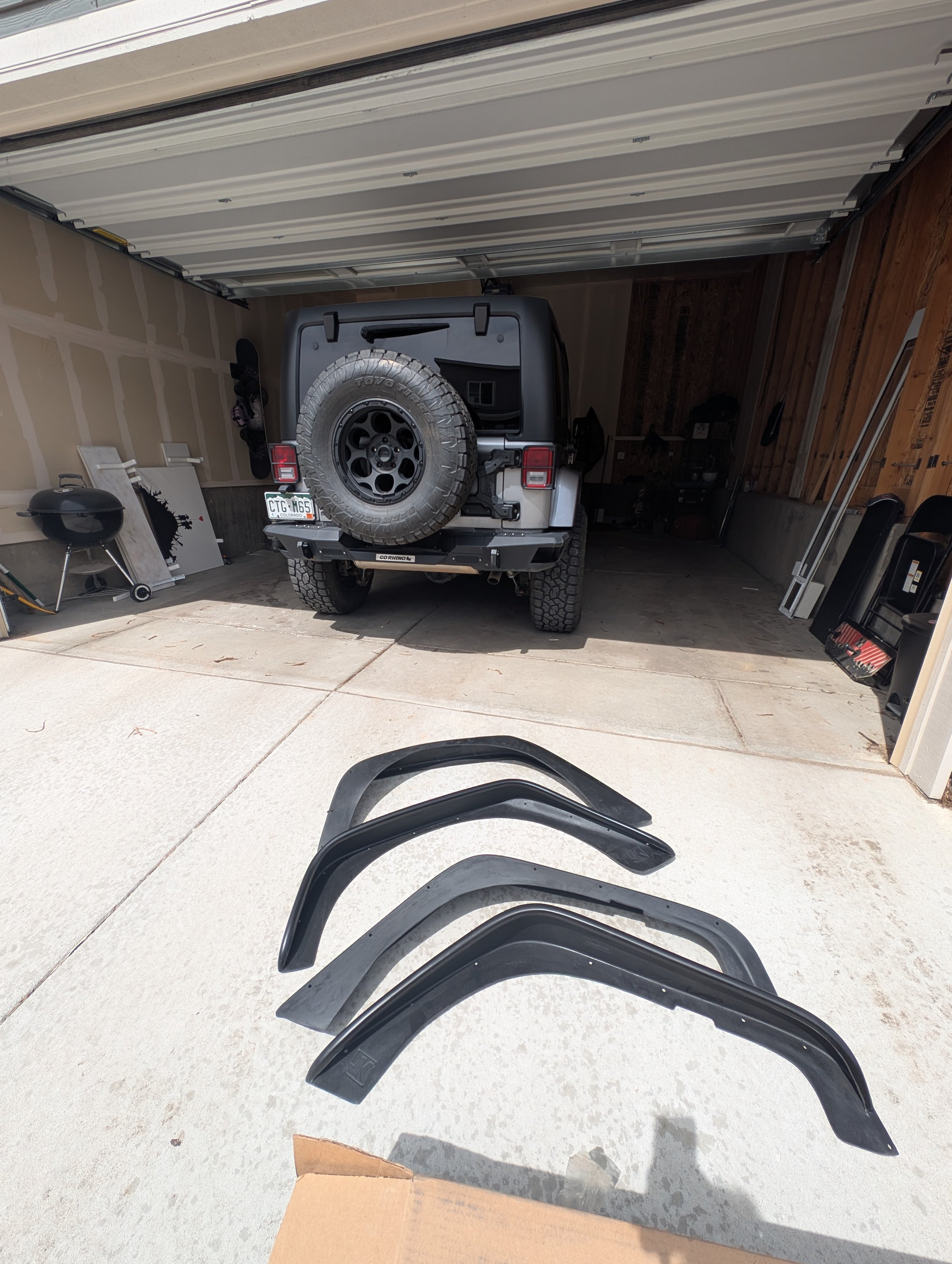
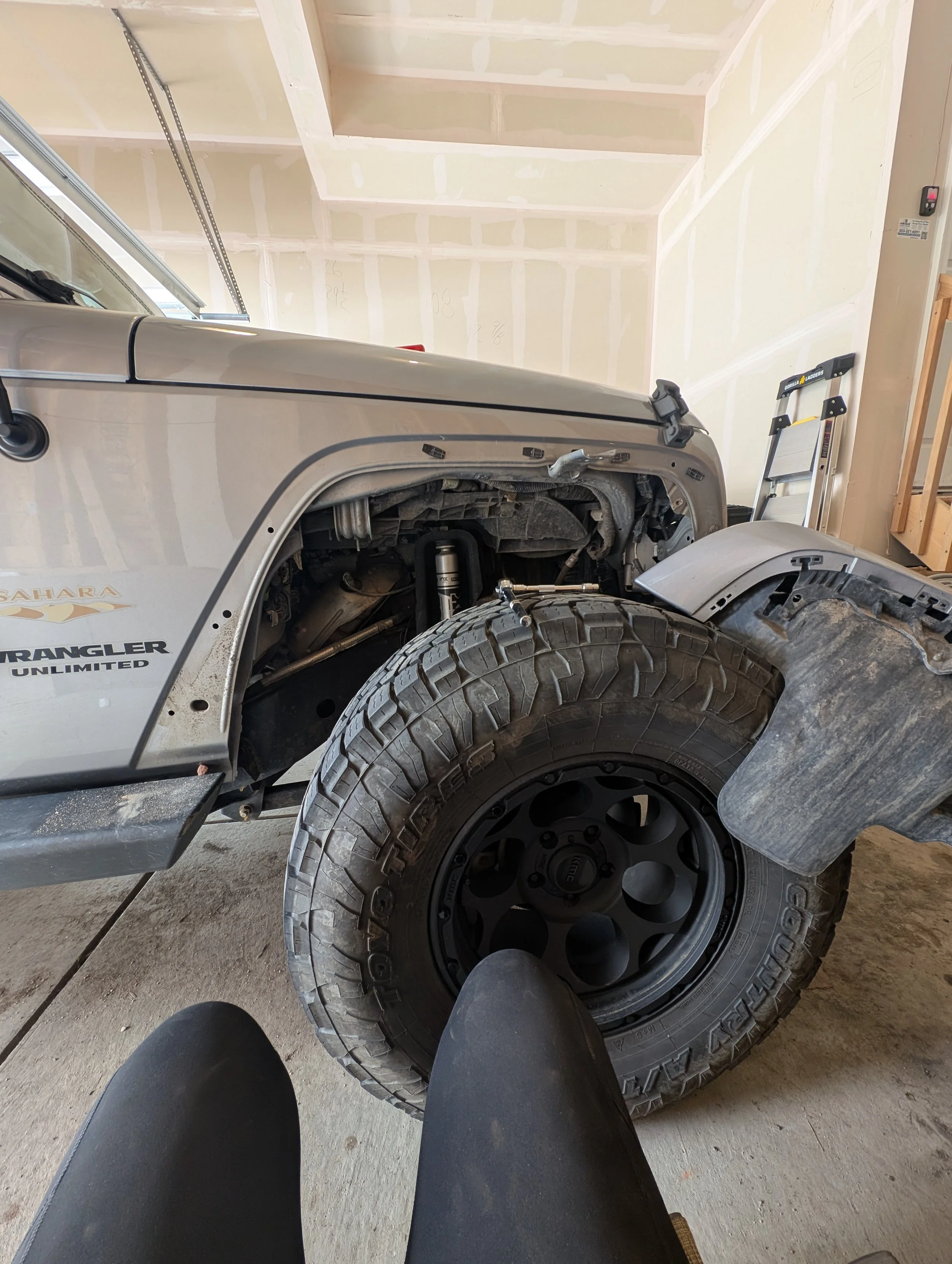
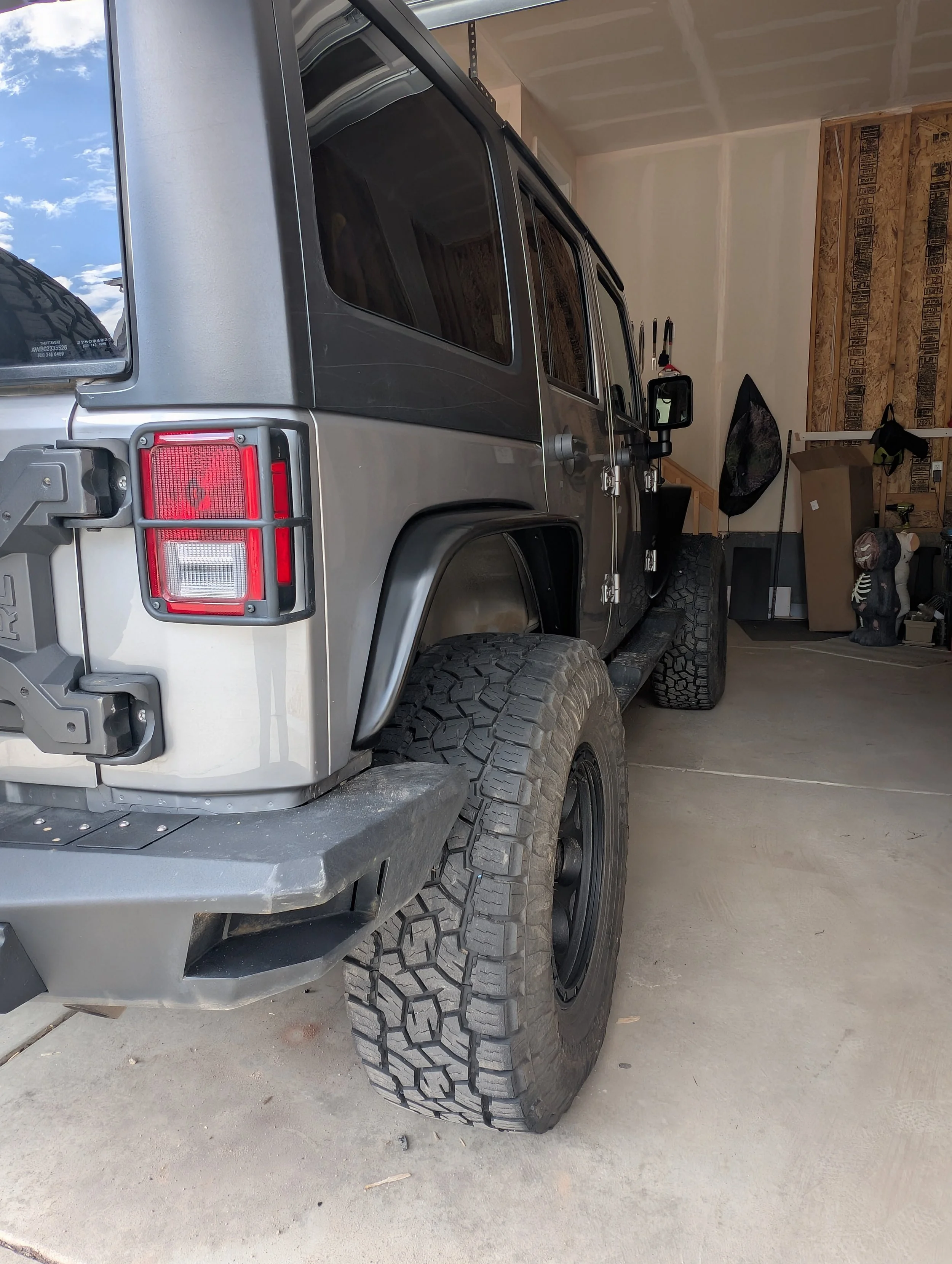
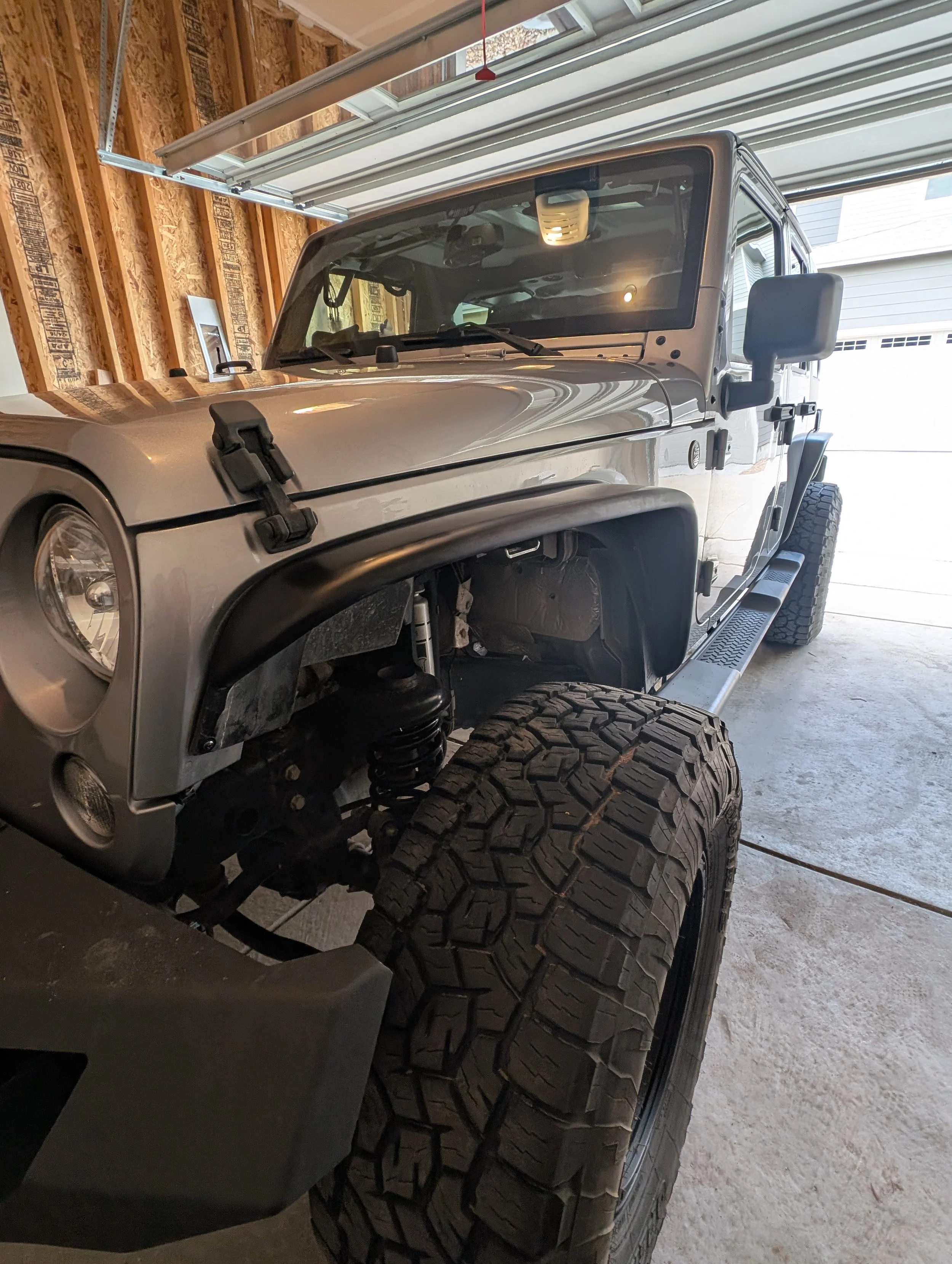
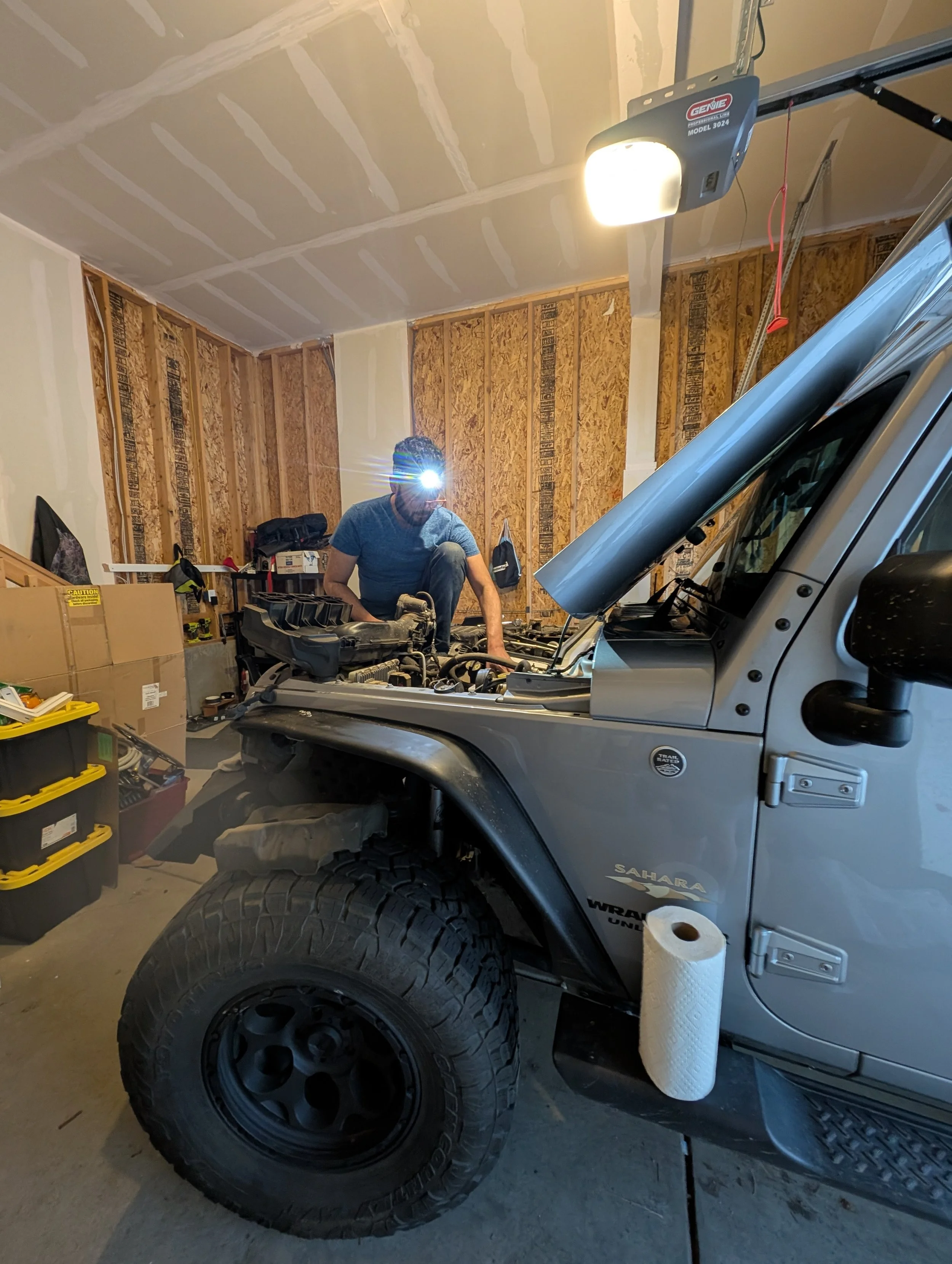
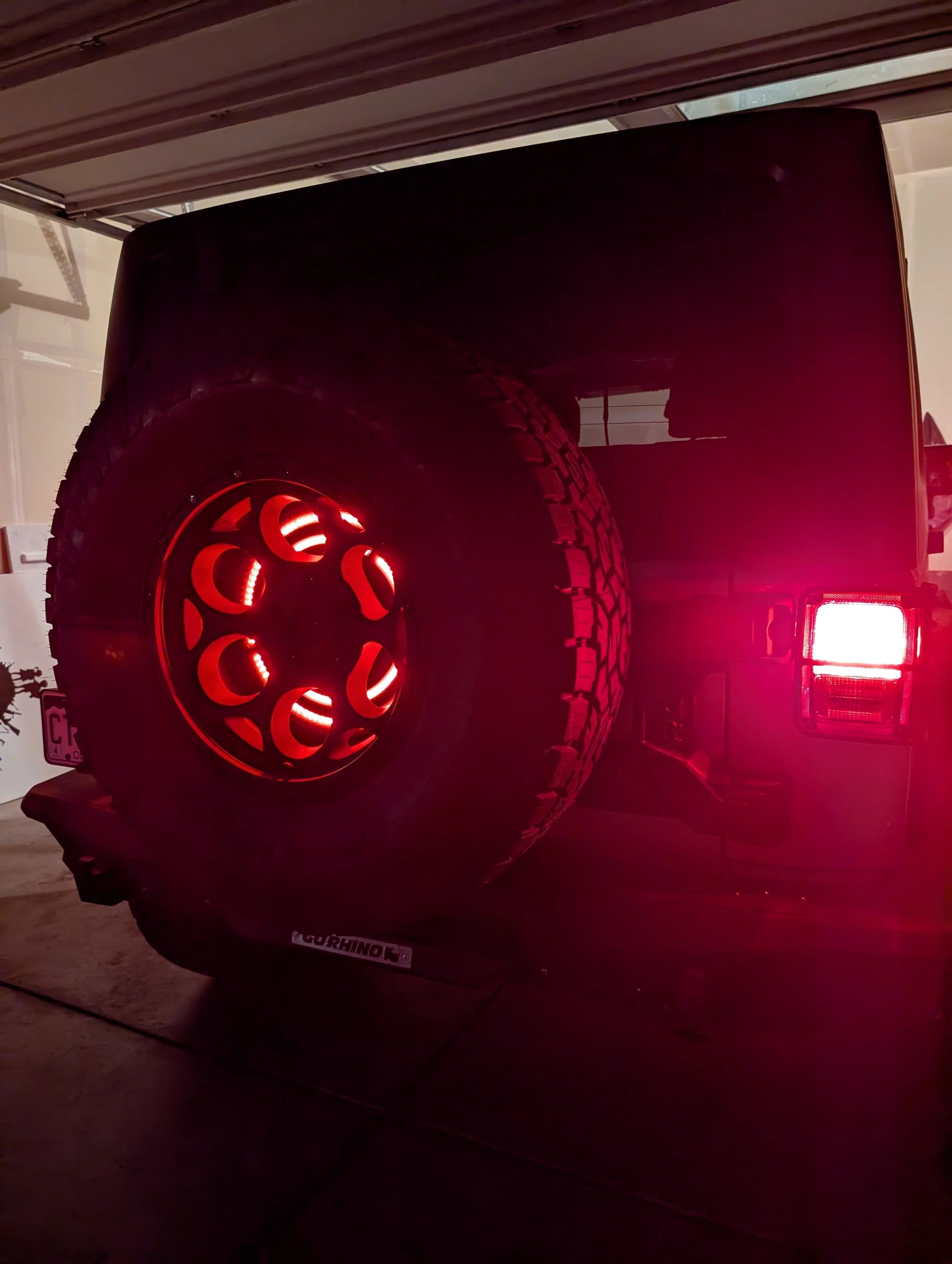
So while I down-graded from a new vehicle with all the bells and whistles to an older Jeep, this Jeep was something I took real pride in, I was ready to keep it as a forever vehicle for years to come. I've off-roaded with this thing and had guys tell me "wow, can't believe you made it up this pass without lockers" or "can't believe you made it up this pass with a Sahara," which is often known as the family-style Wrangler of Jeeps. So losing my first-ever, prided Jeep was heart-wrenching. No one prepares you for that. I was the type to always have new cars, so to buy an older vehicle and fix it up on my own, it brought me real pride and joy.
I share all of this not for sympathy, but because I think about that stretch of road every single time I drive it now. Every. Single. Time. And I drive that road a lot. I think about the elk. I think about how it could've been so much worse. And honestly, I think about whether anything I did could've been done differently to avoid it happening, or whether the truck behind me leaving a little more room would've changed things. That night, I was the start of a traffic line, going 5 mph under the speed limit, and had people behind me pissed about it. But you know what, we need to not let that bother us, because if I'd been going even 10 under, this might not have happened at all.
So if you take one thing from this, let it be this: slow down, especially at dawn and dusk, especially on these roads. Give yourself more space than feels necessary. It's not going to make you late enough to matter, and it might be the difference between a close call and the worst night of your life. I never thought it could happen to me either. Then it did. And today, one year later, I'm still grateful it wasn't worse than it was.
So (not so) happy one year anniversary to me and my elk. Not exactly the kind of milestone you plan for, but here we are.